Why Professional Dental Implant Maintenance and Cleanings are Important
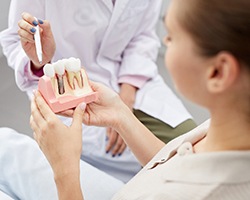
Much like your real teeth, your dental implants can become dull and dirty over time. This is due to buildup from food particles and bacteria that may be missed when brushing and flossing your teeth. Although your dental implants cannot get cavities like real teeth, they can still fail, even decades after placement. In many cases, this is due to a condition called peri-implantitis, which is similar to gum disease and can happen because of poor oral hygiene. Thus, to prevent dental implant failure and keep your smile looking and feeling its best, Dr. Castleberry recommends you visit him every six months for a dental implant maintenance and cleaning appointment, much like you would a regular dental exam and cleaning for your natural teeth.
What to Expect During In-office Dental Implant Maintenance and Cleanings

At your dental implant maintenance and cleaning appointment, Dr. Castleberry will make sure your smile is in good working order. To do this, he and the team will:
- Visually inspect your dental implants, including adjusting any screws, abutments, or support structures that need it.
- Take X-rays of your teeth, jaw, and dental implants to ensure they are stable and there are no issues developing underneath the gums.
- Clean your dental implants and restorations with special tools. We may also remove the restorations to get a deeper clean and reattach them when done.
- Irrigate the teeth and gums with a powerful antimicrobial rinse designed to keep the gums and dental implants free of harmful bacteria.
- Check the fit and function of your prosthetics to ensure that they are comfortable, work well, and look their best.
Balancing At-Home and Professional Care

In addition to seeing Dr. Castleberry every six months for your regular preventive care, it is important to maintain a solid, at-home oral health routine. This should include:
- Brushing your teeth (both real and prosthetic) with a soft-bristled toothbrush and non-abrasive toothpaste twice a day.
- Flossing daily.
- Rinsing with an antimicrobial mouthwash.
- Wearing a mouthguard if you play sports or a bite guard if you grind your teeth (bruxism).
- Never use your teeth for anything but food (no tearing packaging, chewing pen caps, or biting your fingernails) and avoid foods that are excessively crunchy like hard candies and ice cubes.
 The Castleberry Center Family & Cosmetic Dentistry