Does your jaw hurt or feel stiff whenever you try to eat, speak, or smile? Do you suffer from chronic headaches, earaches, or neck and shoulder pain, and have no clue why? Would it surprise you to know that all of these problems and more could actually stem from your jaw? Yes, such symptoms are common indicators of TMJ disorder. The good news is that Dr. Castleberry and our Louetta team offer effective, non-invasive TMJ treatment. Continue reading to discover how we may be able to help you find lasting relief, or contact us directly to set up your consultation.
Why Choose The Castleberry Center Family & Cosmetic Dentistry for TMJ Treatment?
Effective, Non-Invasive Treatment
Dentist Trained at the Prestigious Las Vegas Institute
Multiple Payment Options Accepted
What Is TMJ Disorder?
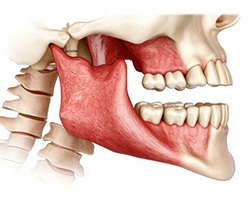
Everyone has two temporomandibular joints (TMJs). These are also known as the jaw joints and control movement of the mandible (lower jaw). When the TMJs become damaged or inflamed, a range of symptoms can occur. TMJ disorder can be the result of many different causes, including injuries, arthritis, teeth grinding, stress, bite misalignment, and more. Individuals of all age groups, genders, and lifestyles can develop TMJ disorder.
Symptoms of TMJ Disorder
TMD can cause countless symptoms. Some of the most common include:
Jaw pain, tenderness, or soreness. These symptoms may worsen when you chew, speak, yawn, or open your mouth wide.
Clicking, popping, or grinding sounds in the jaw joints. These are especially likely to occur when you open or close your mouth.
Frequent headaches. TMD can cause muscle tension that leads to head pain. It can even be a migraine trigger.
Ear symptoms. Ear pressure or ringing in the ears often occurs with TMJ disorder.
Jaw stiffnessor limited range of motion. Some patients get the feeling that their jaw is locked open or closed
Pain in the neck, shoulders, or upper back. TMD is a descending disorder that can cause a range of musculoskeletal symptoms.
Types of TMJ Treatment
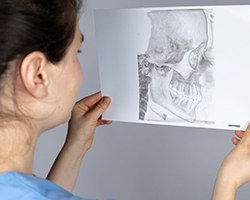
As part of every regular checkup, Dr. Castleberry will examine your TMJs to make sure they are in good condition. Be sure to let our team know if you have experienced any of the above-listed symptoms. We may do additional examinations or use X-rays to get more information about your condition. For example, a soft diet and good posture may reduce your symptoms. However, it is also likely that you will need professional treatment.
Occlusal Splint
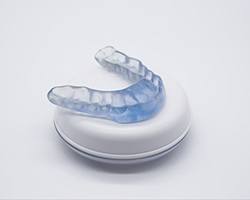
We can restore balance and functionality to the bite using custom-made occlusal splints. These small TMJ oral appliances, worn only to bed, place the jaw into a more natural position during the night, thereby enabling the muscles to relax and heal. An occlusal splint can also prevent unconscious teeth grinding and clenching. Many patients notice a positive difference after just a few days of wearing their splint.
Equilibration/Occlusal Adjustment
In some cases, minor discrepancies in how the upper and lower teeth fit together are to blame for TMD. We may slightly alter the chewing surfaces of your teeth or dental restorations (such as crowns) in order to improve the mechanics of your bite. This can relieve pressure on your jaw joints and lead to lasting symptom relief.
TMJ Treatment FAQs
Can TMJ be cured permanently?
Although in some rare cases the discomfort of temporomandibular joint (TMJ) disorders can disappear on their own with time, most likely they will reemerge due to reinjury, stress, or other factors. Especially if you haven’t tackled their underlying cause. Thus, rather than wait around for that day to maybe happen, seeking professional help from a qualified dentist can help guarantee these issues won’t return.
At The Castleberry Center, Dr. Castleberry trusts proven TMJ treatments in Louetta like occlusal splints, occlusal adjustments, and equilibration to get safe, effective, permanent results. Best of all, because these methods treat more than just the symptoms but the underlying problem as well, they are designed to promote lasting relief.
Is TMJ treatment safe?
Yes! When provided by a qualified dentist, your TMJ treatment in Louetta should be completely safe. In fact, your smile will be better off for getting it!
The National Institutes of Health have issued guidelines for the treatment of TMJ disorders and recommend doing so as conservatively as possible. This means that solutions like occlusal adjustments, splints, and equilibration are ideal options, because they deliver safe, effective results without being invasive.
How long does occlusal adjustment take for TMJ?
If you’re suffering from debilitating TMJ disorder pain, it makes sense that you’d want to alleviate it as quickly as possible. The good news is that with TMJ treatments in Louetta such as equilibration and occlusal adjustments, you can experience lasting relief within a relatively short period. While the length of your individual treatment will vary, most can be done within between one and three appointments, with noticeable relief occurring shortly after. As an added bonus for those who have a busy schedule, these visits shouldn’t take long, either!
Can TMJ be treated without surgery?
Absolutely! In fact, Dr. Castleberry is pleased to offer several non-surgical treatment options that provide permanent relief from TMJ disorder pain.
If you are looking for non-invasive options for alleviating the pressure and discomfort on your jaw and the surrounding areas, occlusal splints, adjustments, and equilibration can all make a noticeable difference in a short amount of time, all without surgery or needles.
 The Castleberry Center Family & Cosmetic Dentistry